Defend yourself
from the dark side
of AI.
Independent EU research on deepfakes, AI manipulation, and what the AI Act really means for you — before the threats reach your organization.
Three pillars of AI defense
Hub-and-spoke knowledge base covering every angle of AI risk.
Defense & Security
Deepfake voice fraud, prompt injection attacks, AI phishing campaigns — how to detect and defend your organization against AI-powered threats.
Explore →Pillar 2Detection & Transparency
AI Act Art. 50 obligations, AI content labeling, detector tool reviews, C2PA watermarking — the technical and legal layer of AI transparency.
Explore →Pillar 3Critical AI Literacy
AI hype vs. reality, job displacement myths, hallucinations, EU ethics — the knowledge every informed professional needs right now.
Explore →Why now?
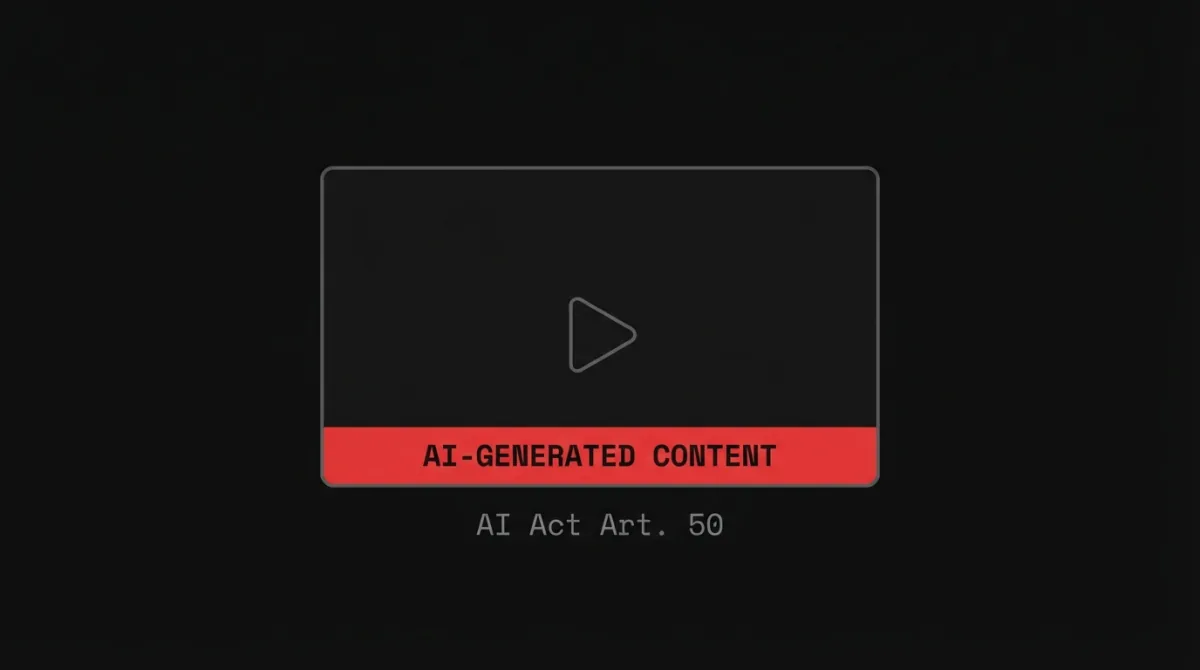
The EU AI Act Article 50 — mandatory AI content disclosure — has applied since 2 August 2026. AI-generated content and deepfakes must be labelled now, and unprepared organizations face fines and reputational damage. The countdown runs to 2 December 2027, when the high-risk system requirements take effect (deferred by the Digital Omnibus).
Days until the high-risk system requirements (Annex III)
About counterAI
counterAI is an independent EU publisher tracking AI risks from the defender's perspective. We are not a consultancy — we are a knowledge resource. Content is written and edited by Marek Adamczyk, the founder of counterAI, focused on AI defense and EU digital policy.
Looking for AI implementation?Visit our sister brand managerAI →
Free: Deepfake Red-Flag Checklist
12 concrete signals your organization is being targeted by AI-generated content. Practical, actionable, vetted.